




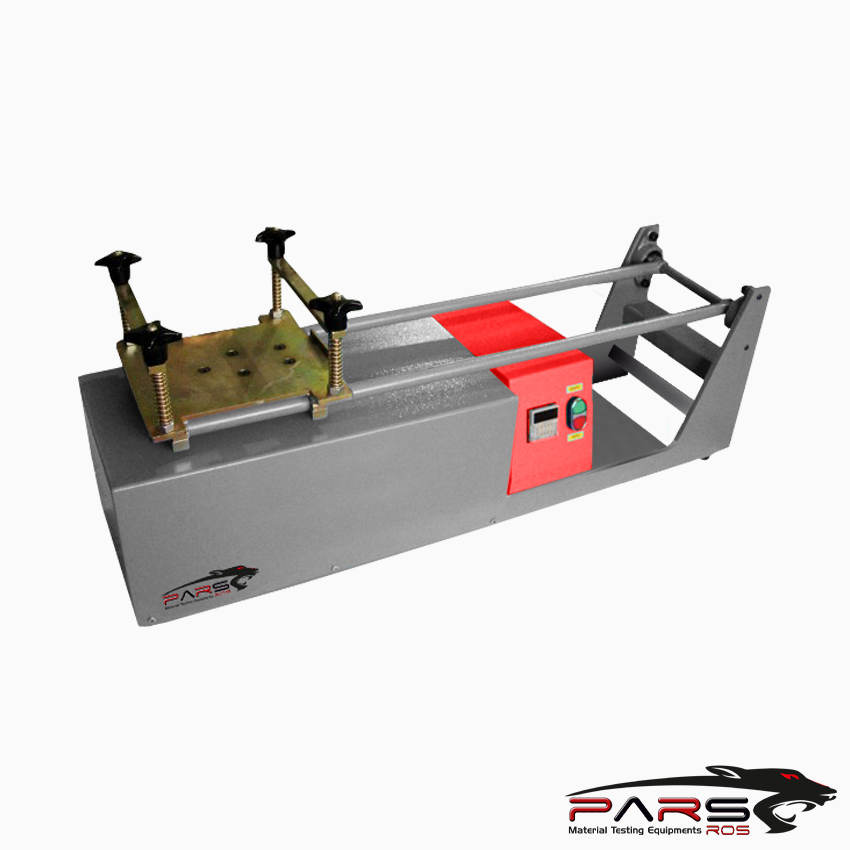
Portland cement is the basic ingredient of concrete.
Concrete is formed when portland cement creates a paste with water that binds with sand and rock to harden.
Cement is manufactured through a closely controlled chemical combination of calcium, silicon, aluminum, iron and other ingredients.
Common materials used to manufacture cement include limestone, shells, and chalk or marl combined with shale, clay, slate, blast furnace slag, silica sand, and iron ore.
These ingredients, when heated at high temperatures form a rock-like substance that is ground into the fine powder that we commonly think of as cement.
Bricklayer Joseph Aspdin of Leeds, England first made portland cement early in the 19th century by burning powdered limestone and clay in his kitchen stove.
With this crude method, he laid the foundation for an industry that annually processes literally mountains of limestone, clay, cement rock, and other materials
into a powder so fine it will pass through a sieve capable of holding water.
Cement plant laboratories check each step in the manufacture of portland cement by frequent chemical and physical tests.
The labs also analyze and test the finished product to ensure that it complies with all industry specifications.
The most common way to manufacture portland cement is through a dry method.
The first step is to quarry the principal raw materials, mainly limestone, clay, and other materials.
After quarrying the rock is crushed.
This involves several stages. The first crushing reduces the rock to a maximum size of about 6 inches.
The rock then goes to secondary crushers or hammer mills for reduction to about 3 inches or smaller.
The crushed rock is combined with other ingredients such as iron ore or fly ash and ground, mixed, and fed to a cement kiln.
The cement kiln heats all the ingredients to about 2,700 degrees Fahrenheit in huge cylindrical steel rotary kilns lined with special firebrick.
Kilns are frequently as much as 12 feet in diameter—large enough to accommodate an automobile and longer in many instances than the height of a 40-story building.
The large kilns are mounted with the axis inclined slightly from the horizontal.
The finely ground raw material or the slurry is fed into the higher end.
At the lower end is a roaring blast of flame, produced by precisely controlled burning of powdered coal, oil, alternative fuels, or gas under forced draft.
As the material moves through the kiln, certain elements are driven off in the form of gases.
The remaining elements unite to form a new substance called clinker. Clinker comes out of the kiln as grey balls, about the size of marbles.
Clinker is discharged red-hot from the lower end of the kiln and generally is brought down to handling temperature in various types of coolers.
The heated air from the coolers is returned to the kilns, a process that saves fuel and increases burning efficiency.
After the clinker is cooled, cement plants grind it and mix it with small amounts of gypsum and limestone.
Cement is so fine that 1 pound of cement contains 150 billion grains.
The cement is now ready for transport to ready-mix concrete companies to be used in a variety of construction projects.
Although the dry process is the most modern and popular way to manufacture cement, some kilns in the United States use a wet process.
The two processes are essentially alike except in the wet process, the raw materials are ground with water before being fed into the kiln.
WHAT ARE THE LABORATORY TESTS FOR CEMENT ?
- Fineness test of cement
- Standard Consistency test of cement
- Initial Setting and Final Setting test of cement
- Soundness test
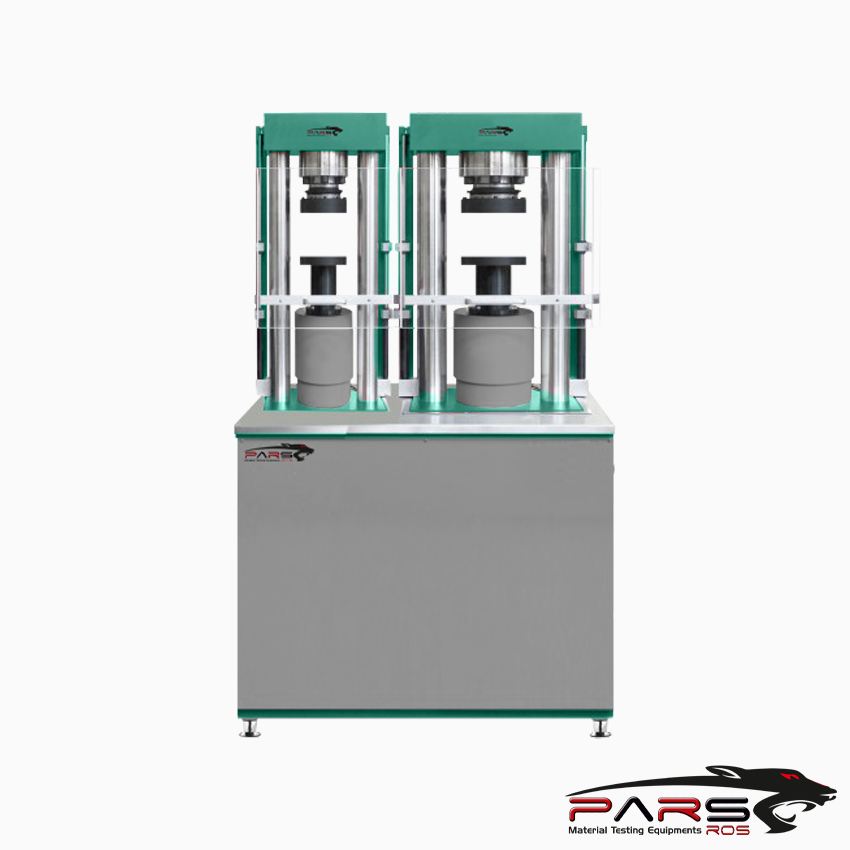
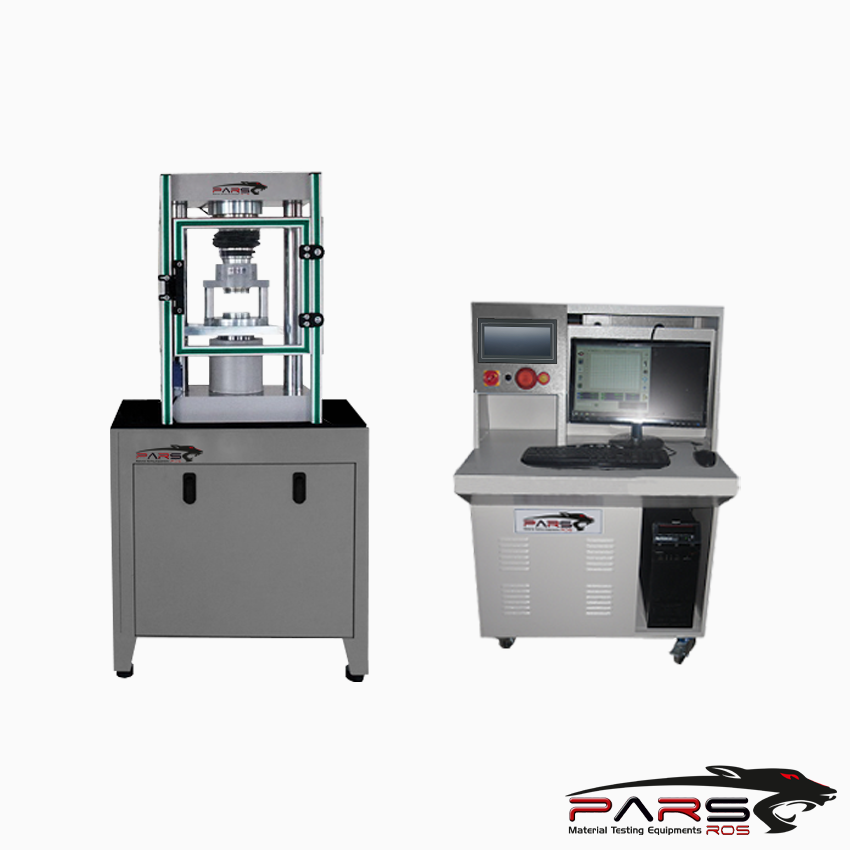
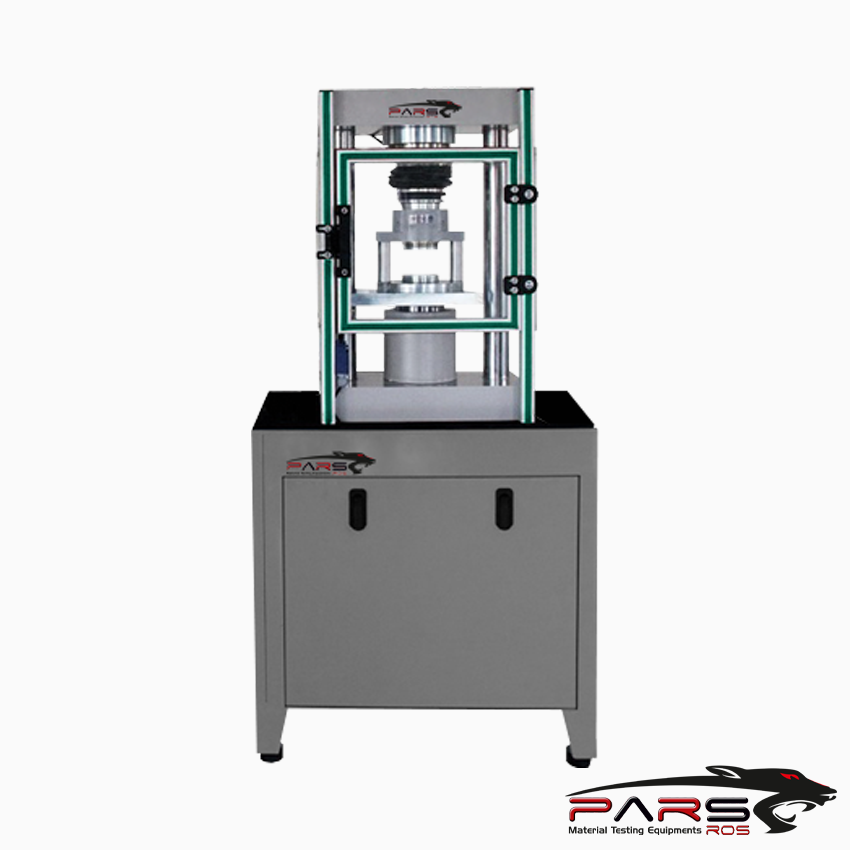
- Compressive Strength test of cement
1. FINENESS TEST OF CEMENT
This test of cement is performed to check the fineness of cement according to standard specifications.
The fineness of cement can be measured either by the grain size of cement or by the surface area of cement.
The sieve Test (IS 4031- part-I) – 90 µ size sieve.
The fineness of cement has a significant effect on the hydration and in increasing the rate of gain strength. The strength of cement is directly proportional to its fineness.
2. STANDARD CONSISTENCY TEST OF CEMENT
It is used to find out the percentage of water required to produce cement paste of standard consistency.
It is also sometimes called as Normal Consistency (CPNC).
The Standard consistency of a cement paste is defined as that consistency which will permit a Vicat’s apparatus plunger having10mm dia. and
50mm length to penetrate to a depth of 33-35 mm from the top of the mould.
3. INITIAL SETTING AND FINAL SETTING TESTS OF CEMENT
Initial Setting time-
When the paste will start loosing its plasticity, the needle will penetrate only to some depth.
The period elapsing between the time when water is added to the cement and to the time at which the needle penetrates the test block to a depth
equal to 33-35mm from the top is taken as initial time.
For OPC it is generally taken as 30min.
Final Setting Time
The cement is considered fully set when the centre needle makes an impression while the annular attachment fails to do so.
The cement is said to be hard if it does not pierce more than 0.5mm.
It is generally taken as 10 hrs.
4. SOUNDNESS TEST
The Cement is said to be unsound if it has excess of lime.
Due to high proportions of magnesium content or
Calcium sulphate content.
Because of inadequate burning of cement.
Due to insufficiency in fineness of grinding or thorough mixing of raw materials.
It cause appreciable change in the volume of cement after the cement has set causing disruption of the set and hardened mass.
Le-Chatlier’s Apparatus is used for the test.
In case the expansion is more than 10mm than the cement is said to be unsound.
5. COMPRESSIVE STRENGTH TEST OF CEMENT
It is Laboratory method to determine the strength of cement.
The size of cube mould is 70.6mm.
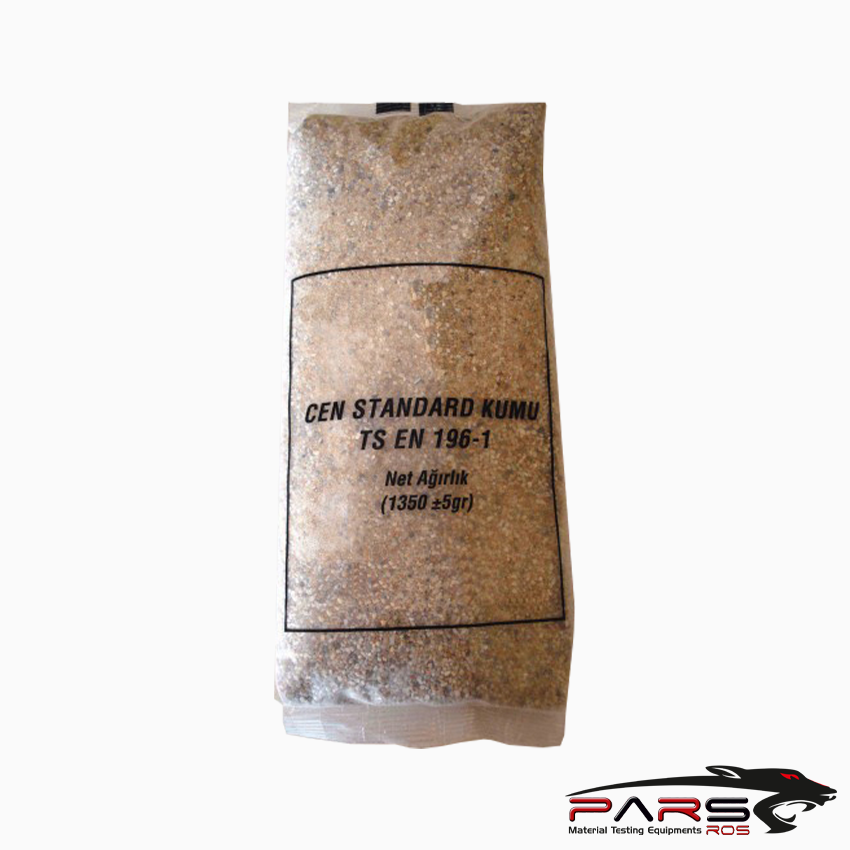
Cement and standard sand mortar is used to make the cube.
Three cubes are tested for the strength.
The average value is taken for the compressive strength of the three cubes for each period respectively.